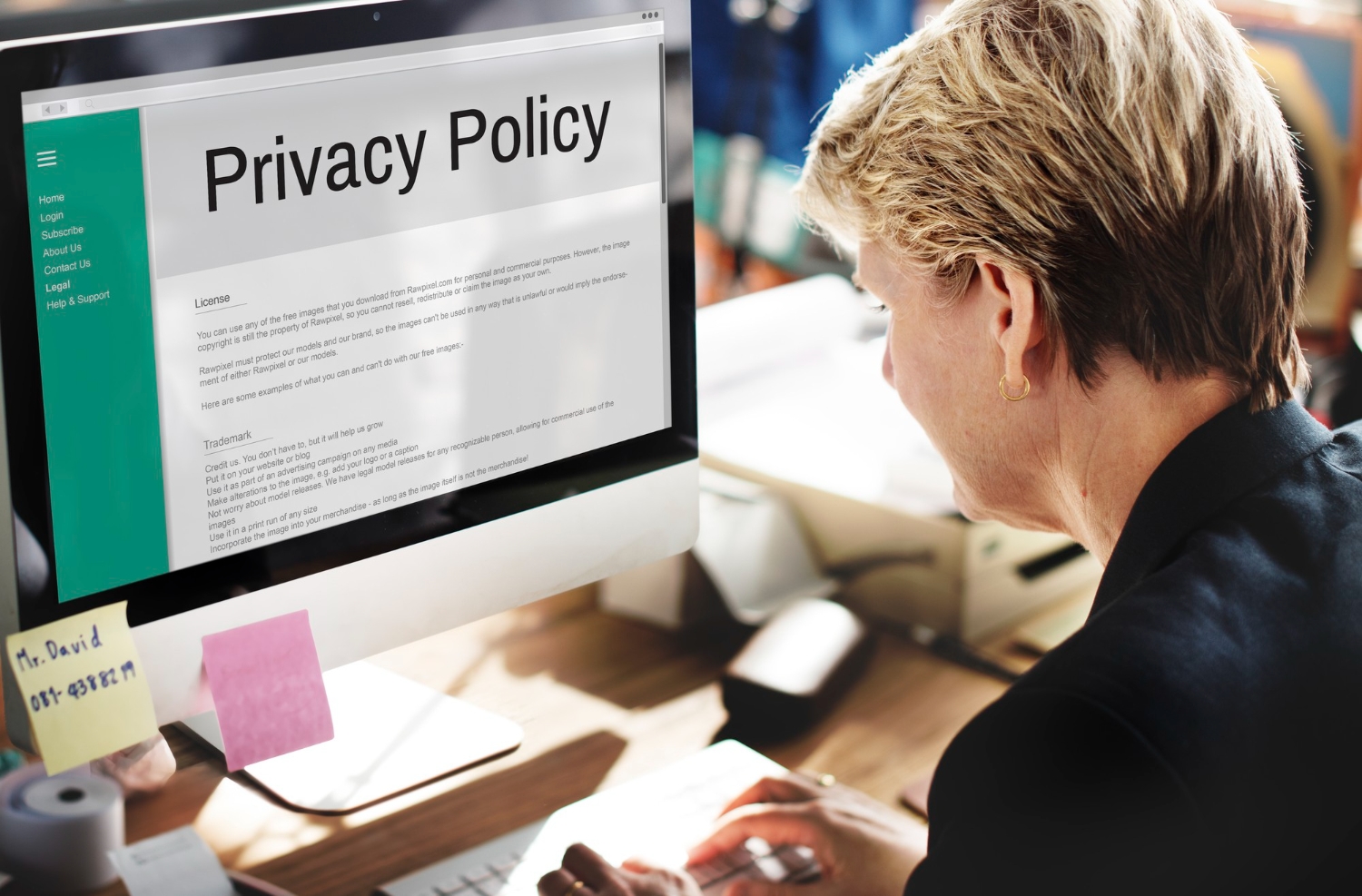
Introduction: The Growing Importance of Privacy Laws
In today’s data-driven world, privacy is no longer just a concern for large corporations. Small businesses, too, must comply with a growing range of privacy laws that govern how personal data is collected, stored, and used. Failing to comply with these laws can result in heavy fines, legal issues, and damage to your reputation.
Navigating privacy laws might seem overwhelming, but it’s crucial to the long-term success of your business. This guide will help you understand privacy laws, why they matter, and how small businesses can ensure compliance to protect their customers and avoid costly mistakes.
1. Understanding Privacy Laws: What You Need to Know
Privacy laws are designed to protect consumers’ personal information from misuse and unauthorized access. These laws vary depending on where your business is located and where your customers reside.
Global Privacy Regulations
Several regulations across the world impact how businesses handle personal data. Here are some of the most well-known:
- GDPR (General Data Protection Regulation) – Enforced in the European Union, GDPR requires businesses to protect the privacy of EU citizens’ personal data and to ensure transparent handling of personal information.
- CCPA (California Consumer Privacy Act) – CCPA applies to businesses operating in California and gives residents the right to know what personal data is being collected, to opt-out of data sales, and to request the deletion of personal data.
- HIPAA (Health Insurance Portability and Accountability Act) – If your business deals with healthcare-related data, HIPAA sets standards for protecting sensitive patient information.
Key Principles of Privacy Laws
Most privacy laws share some common principles, including:
- Consent: Obtaining the explicit consent of individuals before collecting or processing their data.
- Transparency: Providing clear information about how you use and protect personal data.
- Data Minimization: Only collecting the data that is necessary for your business operations.
- Accountability: Keeping records of data processing activities and ensuring compliance with privacy laws.
2. The Risks of Non-Compliance
Small businesses may feel the temptation to ignore privacy laws, especially when the penalties seem far-off. However, the risks associated with non-compliance can be severe:
Financial Penalties
Privacy laws like GDPR impose hefty fines for non-compliance. Under GDPR, for example, fines can reach up to 4% of your global annual revenue or €20 million (whichever is higher). Other regulations, like CCPA, impose fines for each violation.
Legal Repercussions
Beyond fines, non-compliance can lead to legal actions from affected consumers. Customers who feel their data has been mishandled may sue your company, leading to costly lawsuits and potential settlements.
Reputational Damage
Trust is key to any business relationship, and mishandling personal data can severely damage your reputation. Customers expect their data to be handled responsibly, and if your company fails in this area, they may take their business elsewhere.
3. Steps to Ensure Compliance with Privacy Laws
Step 1: Conduct a Privacy Audit
The first step in ensuring compliance is understanding where your business stands in terms of privacy practices. A privacy audit involves reviewing your data collection practices, security measures, and privacy policies to determine if they meet the requirements of applicable laws.
Key Areas to Audit:
- Data Collection: What types of data are you collecting, and how is it used?
- Data Storage: How is the data stored? Is it secure?
- Third-Party Sharing: Are you sharing data with third parties? If so, do you have the necessary agreements in place?
Step 2: Create a Privacy Policy
A privacy policy is essential for any business handling personal data. This document explains how you collect, use, and protect customer data. A well-crafted privacy policy should:
- Be easy to understand for your customers.
- Include details about data collection methods, purpose, storage duration, and third-party sharing.
- Highlight how users can exercise their rights, such as opting out of data sales or requesting data deletion.
Step 3: Implement Data Protection Measures
Data protection measures ensure that the personal data you collect is safe from unauthorized access and breaches. Some basic data protection steps include:
- Encryption: Encrypt sensitive customer data both in transit and at rest.
- Access Controls: Limit access to personal data only to employees who need it for business purposes.
- Regular Security Audits: Conduct regular audits to identify potential vulnerabilities in your system.
Step 4: Obtain Explicit Consent
For most privacy laws, consent is critical. Businesses must obtain clear and explicit consent from customers before collecting or processing their personal data. Consent should be:
- Informed: Customers should understand what data is being collected and how it will be used.
- Freely Given: Consent should not be coerced. Customers should have the option to refuse or withdraw consent.
- Documented: Keep records of customer consent for compliance purposes.
4. How Technology Can Help You Stay Compliant
There are several tools and technologies available to help small businesses stay compliant with privacy laws:
Privacy Management Software
Privacy management software can streamline compliance by helping you manage privacy policies, track consent, and ensure transparency in data handling. Tools like OneTrust and TrustArc can help automate the process of staying compliant with multiple regulations.
Data Protection Tools
Tools like data encryption software and secure storage solutions can enhance your data protection measures. These tools ensure that your customer data remains safe from breaches and unauthorized access.
Compliance Platforms
If your business is working with compliance frameworks like GDPR or CCPA, using compliance platforms such as Drata, Vanta, or Secureframe can simplify the compliance process by providing tools for evidence management, reporting, and audit readiness.
5. Ongoing Compliance and Employee Training
Privacy laws and data protection practices are constantly evolving. It’s crucial to stay updated on any changes to the regulations that impact your business.
Continuous Monitoring
Regularly monitor your data collection practices, data security protocols, and compliance efforts to ensure they remain up to date with evolving laws. Conduct regular risk assessments and audits.
Employee Training
Educating your team about privacy best practices is vital. Ensure employees understand the importance of protecting personal data and how they can help your business stay compliant. Regular training sessions and workshops can keep everyone aligned on privacy goals.
Conclusion: Protect Your Business and Customers
Navigating privacy laws doesn’t have to be daunting, but it requires careful attention and diligence. By understanding the laws that apply to your business, implementing data protection measures, and regularly reviewing your practices, you can avoid costly fines and protect your reputation.
Ensuring privacy compliance not only helps you avoid legal issues but also demonstrates your commitment to safeguarding your customers’ data — building trust and loyalty in the process.
Need Help Navigating Privacy Laws?
If you’re feeling overwhelmed or need expert help, reach out to Sympho. Our experienced team can guide you through the complexities of privacy compliance, ensuring that your business remains secure and compliant.